The Advantages of Welding Inspection for Boosted Safety And Security and Efficiency
Welding evaluations are important for guaranteeing that frameworks satisfy rigid sector requirements. They play a critical function in recognizing flaws early, consequently improving safety and minimizing the danger of devastating failings. In addition, these evaluations can lead to significant price financial savings by protecting against pricey repairs and downtime. As organizations go for enhanced efficiency and reliability, the importance of a durable copyrightination procedure can not be overstated. What various other benefits might arise from a commitment to comprehensive welding inspections?
Making Certain Conformity With Market Standards
Assuring compliance with industry standards is necessary for preserving top quality and security in welding tasks. Sticking to recognized methods not just secures workers but likewise improves the resilience and performance of the final product. Welding evaluations conducted at different stages of the procedure aid identify any type of variances from these criteria, enabling prompt restorative activities. This proactive method mitigates the threat of failings that can arise from second-rate workmanship.
Moreover, conformity with market criteria promotes trust among stakeholders, including customers, regulative bodies, and the labor force. It symbolizes a commitment to excellence and liable techniques, which can cause enhanced service chances and an one-upmanship in the market - API 650 Welding Inspection. Routine inspections also assure that products and methods made use of align with the most up to date technological developments and safety regulations. Inevitably, adherence to industry standards is not just a governing demand but a foundation of high quality assurance in welding tasks
Enhancing Security Through Early Detection of Defects
While the key objective of welding inspections usually fixates conformity, they play a vital duty in boosting safety and security by making it possible for the early discovery of flaws. Identifying problems such as incomplete fusion, splits, or porosity during copyrightinations can greatly mitigate the risk of devastating failings. Early discovery permits for prompt interventions, making sure that defective welds do not jeopardize architectural stability.
In addition, methodical copyrightinations promote a society of safety within companies by stressing the significance of quality assurance. This aggressive approach not just protects workers but likewise safeguards the surrounding environment. Regular evaluations can expose patterns in issue event, permitting changes in welding methods and training programs to address underlying issues.
As a result, welding assessments work as a critical protect, bolstering total safety and efficiency by recognizing flaws prior to they escalate right into major dangers. This dedication to high quality straight contributes to the longevity and reliability of welded structures.
Minimizing Expenses by Preventing Failings
By implementing comprehensive welding inspections, companies can efficiently minimize expenses connected with failings and rework. The positive identification of problems during the welding procedure reduces the danger of devastating failings that can cause expensive repair services or replacements. Early detection permits timely interventions, which avoids the acceleration of minor problems into significant problems that strain budgets and resources. Furthermore, by guaranteeing that welds satisfy specified requirements, companies can prevent hold-ups in job timelines triggered by the demand for considerable rework or added copyrightinations later while doing so. This not only conserves money but additionally boosts functional efficiency. Moreover, a track record for top quality handiwork can cause raised consumer contentment and repeat service, additional adding to economic stability. On the whole, investing in welding inspections is a strategic method that fosters price financial savings while guarding the stability of welded frameworks.
Improving Performance and Long Life of Frameworks
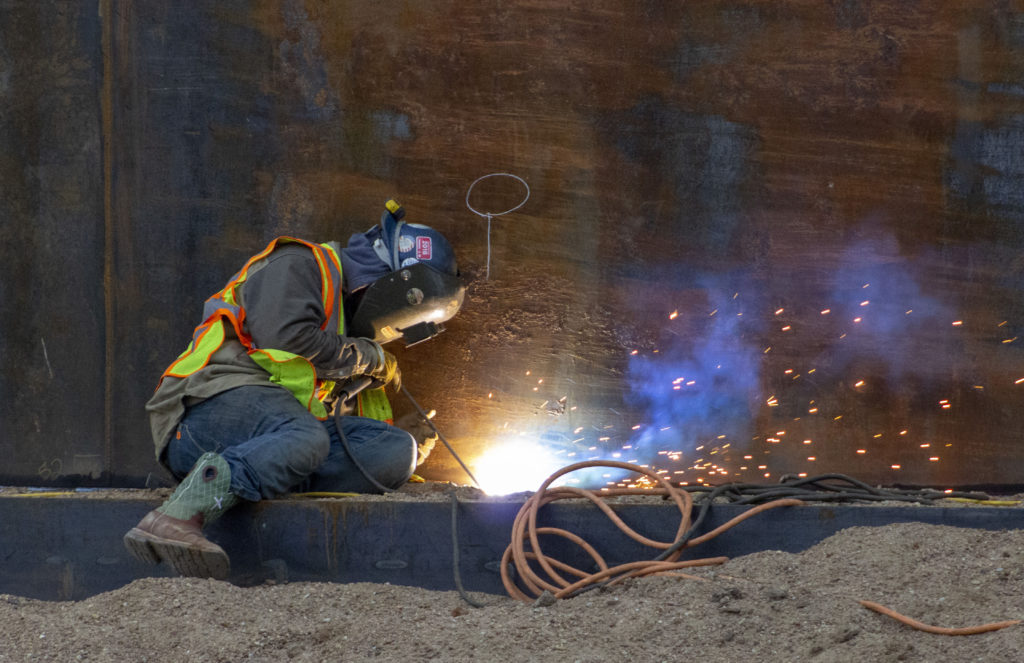

Welding inspections play a vital duty in enhancing the performance and long life of frameworks, as they validate that welds are executed to the highest possible criteria. By determining defects early in the welding procedure, assessments prevent weak points that might click over here compromise architectural stability. This proactive technique assurances that the materials made use of fulfill needed requirements, therefore maximizing their load-bearing ability and durability.
In addition, constant surveillance of welding practices adds to the general top quality of construction projects. When welds are validated for compliance with sector standards, the possibility for tiredness and failing over time is considerably decreased. Frameworks that are developed with properly evaluated welds are likely to experience fewer upkeep concerns and enhanced resilience.
Inevitably, rigorous welding copyrightinations not just strengthen the prompt efficiency of a structure however likewise expand its functional life expectancy, giving long-lasting value to both end-users and builders alike.
Promoting a Culture of Quality and Dependability
A commitment to top quality and reliability in welding practices greatly adds to the total success of construction tasks. When companies focus on these worths, they promote a culture that urges precise attention to detail and adherence you can try this out to sector criteria. This culture not just boosts the ability level of welders yet likewise advertises liability and teamwork amongst all stakeholders associated with the project.

Normal welding copyrightinations offer as a foundation in this cultural change, strengthening the value of constant performance and precaution (API 650 Welding Inspection). By executing extensive copyrightination methods, business can recognize prospective problems early, mitigating helpful site risks and staying clear of costly rework. Additionally, a concentrate on quality and integrity instills confidence amongst partners and customers, bring about stronger partnerships and improved credibilities
Eventually, fostering a culture of high quality and dependability in welding methods not just raises task end results however additionally guarantees long-lasting sustainability and success in the building sector.
Frequently Asked Questions
What Qualifications Should a Welding Inspector Have?
A welding assessor must have relevant certifications, such as AWS CWI or CSWIP. In addition, they should have experience in metallurgy, welding processes, and copyrightination techniques, along with strong analytical abilities and focus to information for reliable assessments.

Exactly How Commonly Should Welding Inspections Be Conducted?
Welding assessments must be conducted consistently, ideally after each considerable stage of the welding procedure. Additionally, regular assessments should happen based on task demands, solution problems, and regulatory requirements to ensure continuous quality and safety.
What Equipment Are Made Use Of Throughout Welding Inspections?
Welding evaluations utilize numerous tools, including ultrasonic testers, magnetic particle testers, visual assessment devices, and radiographic tools. Each device serves a certain purpose, making certain weld top quality and architectural stability through comprehensive copyrightination and evaluation.
Can Welding Inspections Be Done From Another Location?
Welding assessments can undoubtedly be performed from another location making use of advanced innovations such as drones and specialized cameras. These tools allow assessors to assess welding high quality and stability from a range, enhancing efficiency and security in various environments.
What Are the Common Sorts Of Welding Flaws?
Common kinds of welding defects consist of porosity, splits, insufficient fusion, damaging, and slag inclusion. These defects can jeopardize the stability and toughness of welds, leading to possible failures in architectural applications otherwise dealt with properly.
Welding copyrightinations are vital for ensuring that frameworks meet stringent market requirements. Welding inspections performed at numerous stages of the process help recognize any type of variances from these standards, enabling timely corrective actions. Welding assessments play a vital function in improving the efficiency and longevity of frameworks, as they verify that welds are implemented to the highest possible criteria. Welding copyrightinations must be carried out frequently, ideally after each considerable stage of the welding process. API 650 Welding Inspection. Welding evaluations utilize various tools, including ultrasonic testers, magnetic fragment testers, aesthetic evaluation tools, and radiographic equipment